

When quality issues occur, fixing the immediate problem isn’t enough. Organizations also need to understand why it happened and make sure it doesn’t happen again. That’s the purpose of CAPA, or Corrective and Preventive Action.
CAPA is a structured quality process used to identify nonconformances, analyze root causes, implement corrective actions, and prevent future issues. It plays a critical role in quality management systems and is a key requirement for standards like ISO 9001.
How a CAPA Management System Helps
A CAPA management system provides a controlled way to manage issues from discovery through resolution. Instead of relying on emails or spreadsheets, many organizations use CAPA software to standardize workflows, improve visibility, and maintain compliance.
Modern corrective preventive action software helps ensure CAPAs are:
- Documented consistently
- Assigned and tracked to completion
- Reviewed for effectiveness
- Ready for audits at any time
Common CAPA Process Steps
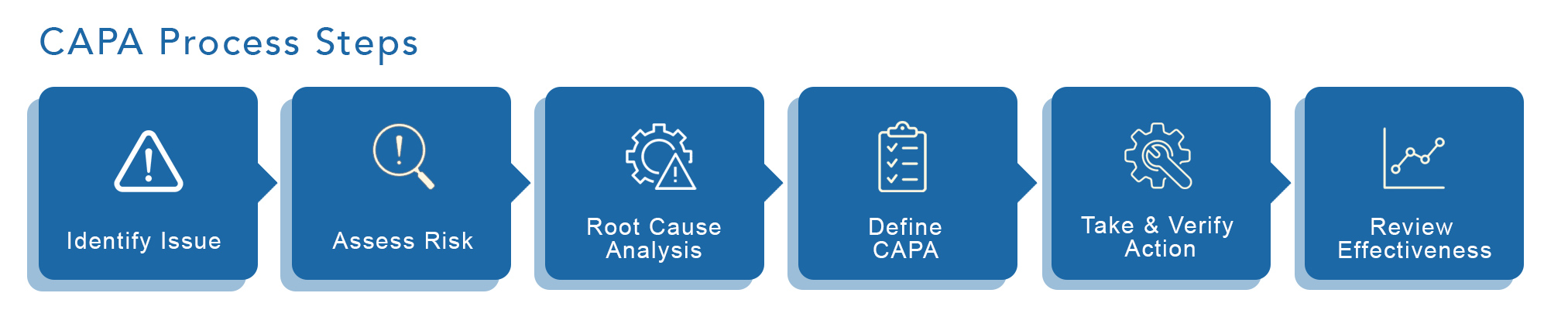
While details vary by industry, most CAPA programs follow similar CAPA process steps:
- Identify the issue or CAPA nonconformance
- Assess risk and impact
- Perform root cause analysis using CAPA root cause analysis tools
- Define corrective and preventive actions
- Implement and verify actions
- Review effectiveness
This structured approach supports continuous improvement while reducing repeat issues.
CAPA Reporting, Audit Trails, and Compliance
Effective CAPA reporting gives quality teams and management clear visibility into open actions, overdue items, and recurring issues. Dashboards and reports make it easier to identify trends, prioritize risk, and spot systemic problems before they escalate.
A complete CAPA audit trail is equally critical. Every action (creation, updates, approvals, and closures) should be automatically recorded with timestamps and user details. This level of traceability ensures accountability and provides clear evidence during audits.
These capabilities are especially important in regulated industries, including aerospace, where CAPA software aerospace requirements demand strict documentation control, long-term record retention, and defensible traceability. Auditors expect organizations to demonstrate not just that issues were addressed, but how decisions were made and verified over time.
Together, strong reporting and a secure audit trail support CAPA ISO 9001 compliance by ensuring nonconformances are handled consistently, corrective actions are verified for effectiveness, and documented evidence is always accessible when needed.
Why CAPA Matters
An effective CAPA process helps organizations move from reactive problem-solving to proactive quality management. By connecting CAPAs to related documents, procedures, and records, teams gain better control, stronger compliance, and improved accountability.
CAPA isn’t just about fixing problems, it’s about building a smarter, more resilient quality system. With the right processes and tools in place, CAPA becomes a driver of continuous improvement rather than an administrative burden.

